Introduction
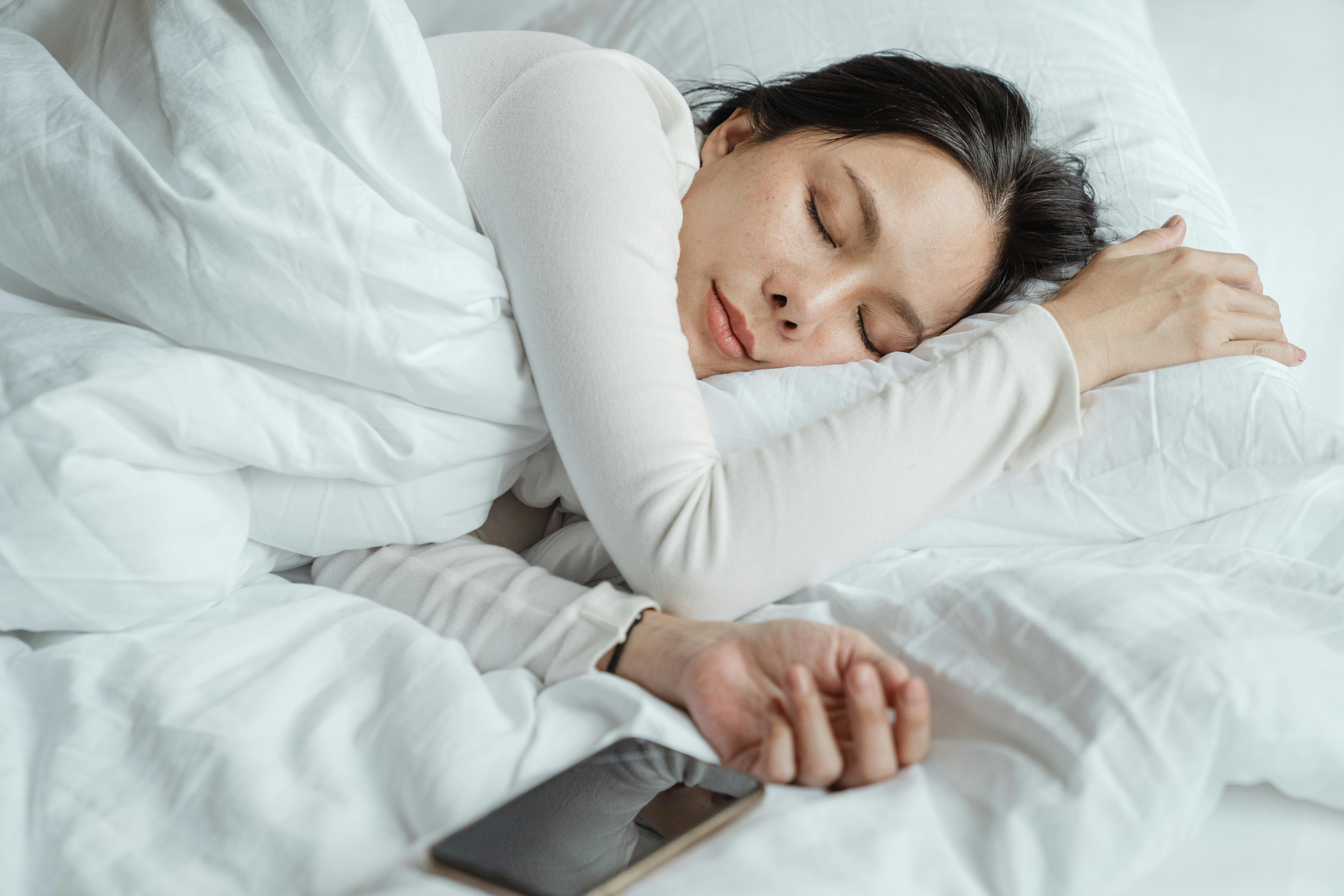
Good sleep is like fuel for the body and mind. Without it, even the strongest coffee can’t keep you running smoothly. Studies show that sleep affects everything from mood and energy to memory and immunity. If you’ve been tossing and turning at night, the good news is there are plenty of simple hacks to help you rest better.
Understanding Sleep
Sleep isn’t just about closing your eyes—it’s a cycle of different stages. You pass through Non-REM sleep (light and deep stages) and REM sleep, where dreaming happens. Adults generally need 7–9 hours of quality sleep. But many things—like stress, caffeine, or even room temperature—can disrupt that cycle.
The Importance of a Bedtime Routine
Think of your bedtime routine as your body’s signal that it’s time to wind down. Whether it’s reading a book, drinking herbal tea, or doing a short meditation, sticking to a ritual helps your brain recognize bedtime and makes falling asleep easier.
Sleep Environment Optimization
-
Room Temperature: The ideal range is 60–67°F (15–19°C). A cooler room helps your body naturally prepare for rest.
-
Light and Darkness: Darkness triggers melatonin production, so keep the room dark or use blackout curtains.
-
Noise Reduction: Try earplugs, white noise machines, or calming sounds to block disruptions.
-
Mattress and Pillows: Invest in quality bedding. Your body spends a third of its life in bed—comfort matters!
Healthy Lifestyle Choices for Better Sleep
-
Nutrition: Heavy meals before bed can cause discomfort. Opt for light snacks if needed.
-
Exercise: Regular activity improves sleep, but avoid intense workouts right before bedtime.
-
Caffeine & Alcohol: Both can interfere with sleep cycles. Cut caffeine after mid-afternoon and limit alcohol before bed.
Relaxation Techniques Before Bed
-
Deep Breathing: Inhale for four, hold for four, exhale for six—this calms the nervous system.
-
Meditation: Mindfulness helps quiet racing thoughts.
-
Journaling: Write down worries or a gratitude list to clear your mind.
Technology and Sleep
-
Blue Light: Screens trick your brain into thinking it’s daytime.
-
Digital Detox: Switch off devices at least 30–60 minutes before bed.
-
Sleep Apps: Use apps with calming sounds or guided meditations instead of scrolling.
Napping the Right Way
Short naps (10–20 minutes) can refresh your brain without interfering with nighttime sleep. Long naps, however, may leave you groggy or wide awake later at night.
Natural Remedies for Sleep
-
Herbal Teas: Chamomile, valerian, and lemon balm promote relaxation.
-
Aromatherapy: Lavender oil is widely known for its calming effects.
-
Supplements: Magnesium and melatonin may help, but consult a doctor before regular use.
Handling Stress and Anxiety at Night
Stress is one of the biggest sleep thieves. Practice gratitude journaling, gentle stretching, or listening to calming sounds to keep anxiety at bay.
Sleep Myths vs. Facts
-
Myth: You can catch up on sleep over the weekend.
-
Fact: Consistency is key; irregular patterns still harm your body clock.
-
Myth: Alcohol helps you sleep better.
-
Fact: It may make you drowsy but disrupts deep sleep.
When to Seek Professional Help
If poor sleep continues despite lifestyle changes, you may be dealing with insomnia, sleep apnea, or another disorder. Persistent fatigue, loud snoring, or waking up gasping for air are signs to consult a doctor.
Creating a Long-Term Sleep Plan
Improving sleep is about consistency. Go to bed and wake up at the same time daily, track progress in a sleep journal, and adjust habits based on what works for you.
Conclusion
Sleep is not a luxury—it’s a necessity. With the right hacks, you can enjoy deeper, more restorative rest every night. Start small: create a calming bedtime routine, keep your room sleep-friendly, and practice relaxation. Over time, these habits become second nature, giving you the rest your body deserves.
FAQs
1. What is the best time to go to sleep?
The best time depends on your schedule, but aim to align with natural circadian rhythms—ideally between 9 PM and 11 PM.
2. Can drinking water before bed affect sleep?
Yes. Too much water close to bedtime may cause nighttime bathroom trips. Sip earlier in the evening instead.
3. Is it healthy to use melatonin daily?
Melatonin can help short-term, but daily use isn’t recommended without medical advice.
4. How long before bed should I stop screen use?
At least 30–60 minutes. This gives your brain time to unwind naturally.
5. Can exercise close to bedtime affect sleep?
Yes. Intense exercise raises heart rate and energy, making it harder to sleep. Gentle stretching is better before bed.