Why Fiber Matters: Nutrition Benefits You Shouldn’t Ignore
Introduction to Dietary Fiber
What Is Dietary Fiber?
Dietary fiber is a type of carbohydrate that your body can’t digest. Unlike sugars and starches, fiber passes through your digestive system mostly intact. But don’t let that fool you — even though it isn’t digested, it plays a massive role in maintaining your health.
Types of Fiber: Soluble vs. Insoluble
There are two main types:
-
Soluble Fiber dissolves in water and forms a gel-like substance. It helps lower cholesterol and blood sugar levels. You’ll find it in oats, apples, citrus fruits, and legumes.
-
Insoluble Fiber doesn’t dissolve in water. It adds bulk to your stool and keeps things moving through your digestive tract. Think whole wheat flour, nuts, beans, and vegetables.
Both are essential for a balanced diet.
Daily Recommended Intake of Fiber
According to health experts:
-
Women should aim for 25 grams per day.
-
Men need about 38 grams per day.
But most people are falling far short. The average person only gets about 15 grams daily — not even half the recommended amount.
The Health Benefits of Fiber
Supports Digestive Health
Let’s start with the obvious: yes, fiber helps you poop — but that’s not all. It keeps your digestive system in check, prevents constipation, and reduces your risk of diverticulitis and hemorrhoids.
Promotes Heart Health
Soluble fiber can help lower LDL cholesterol (the “bad” kind). This reduces your risk of heart disease and stroke. High-fiber diets also help manage blood pressure — another win for your heart.
Helps Regulate Blood Sugar Levels
Fiber slows the absorption of sugar, which means it helps keep blood glucose levels stable. That’s especially important for people with diabetes or those at risk.
Aids in Weight Management
Fiber keeps you feeling full longer, which helps reduce cravings and unnecessary snacking. It’s a secret weapon if you’re trying to manage or lose weight.
Boosts Gut Microbiome
Fiber acts like food for the good bacteria in your gut. A healthy gut microbiome supports immunity, brain health, and even mood balance.
How Fiber Impacts Different Age Groups
Children and Teens
Fiber helps develop healthy habits early. It promotes good digestion and builds strong gut health — essential during growth.
Adults
For adults, fiber is key for maintaining metabolic health, managing weight, and preventing chronic diseases like diabetes and heart issues.
Seniors
Aging bodies need fiber to prevent constipation, manage blood sugar, and reduce the risk of colon cancer. It also helps maintain healthy cholesterol levels.
High-Fiber Foods You Should Add to Your Diet
Fruits and Vegetables
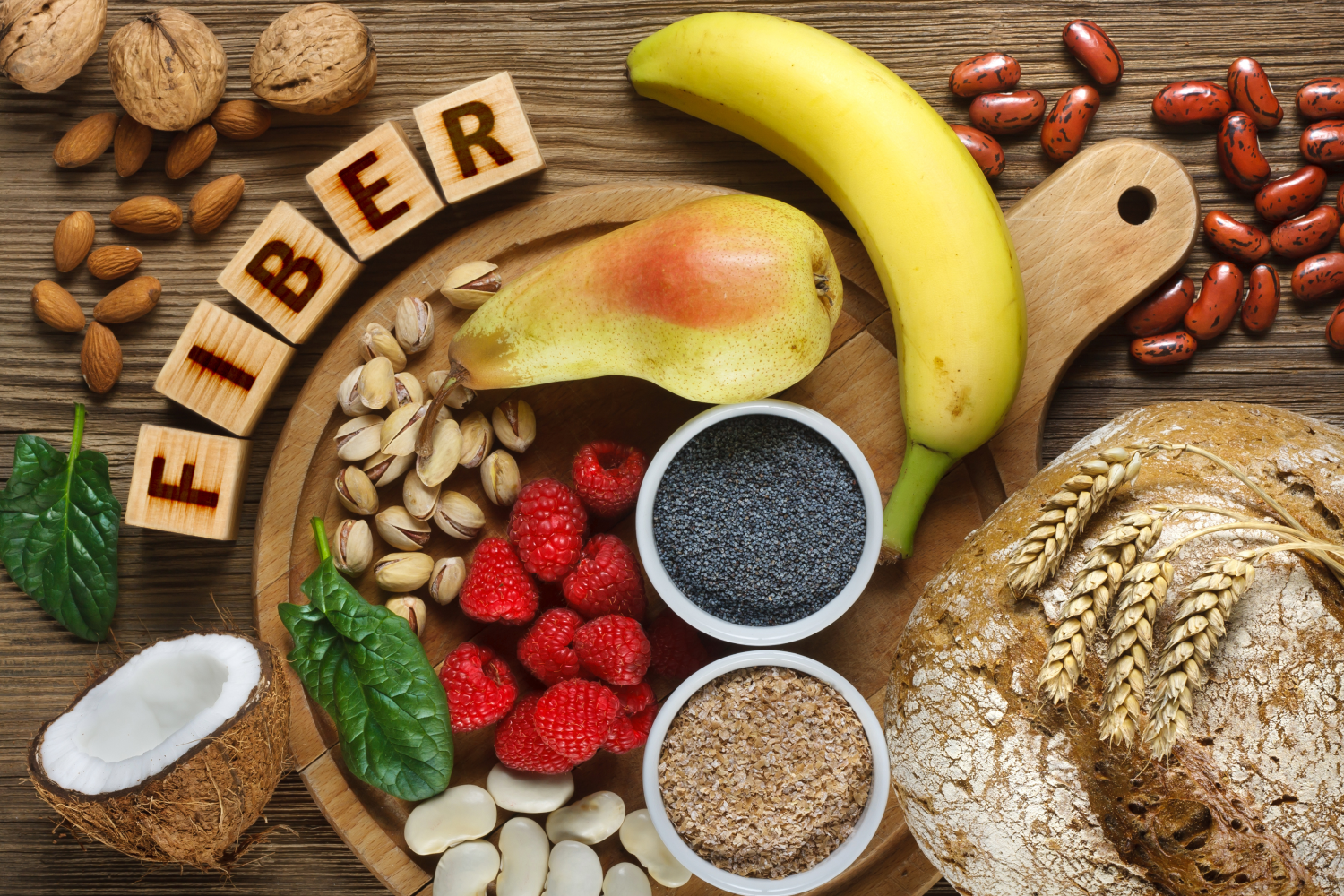
Go for berries, apples, pears (with skin), broccoli, carrots, and leafy greens.
Whole Grains
Brown rice, oatmeal, quinoa, barley, and whole wheat bread are excellent sources.
Legumes and Beans
Lentils, chickpeas, black beans, and kidney beans pack both protein and fiber.
Nuts and Seeds
Chia seeds, flaxseeds, almonds, and walnuts offer fiber plus healthy fats.
How to Increase Fiber Intake Without Digestive Issues
Start Slow
Jumping from 10g to 30g of fiber overnight? Not a great idea. Ease into it to avoid bloating and gas.
Drink Plenty of Water
Fiber works best when it absorbs water. Hydration is key to avoid constipation.
Spread Fiber Intake Throughout the Day
Don’t try to cram it all into one meal. Distribute fiber across breakfast, lunch, dinner, and snacks.
Common Myths About Fiber
“Fiber is Just for Digestion”
Nope! It’s also great for heart health, weight control, blood sugar, and gut bacteria.
“All Fiber Supplements Are the Same”
Different supplements offer different types of fiber. Some help with constipation, others with cholesterol. Read labels carefully.
“Too Much Fiber Is Always Bad”
Too much too fast can be uncomfortable, but with gradual increases and hydration, fiber is your friend.
Fiber Supplements – Should You Use Them?
When to Consider Supplements
If you struggle to get enough fiber through food — due to dietary restrictions, allergies, or lifestyle — supplements can fill the gap.
Best Types of Fiber Supplements
Look for psyllium husk or methylcellulose. These are commonly used for both digestive and heart health benefits.
The Dangers of a Low-Fiber Diet
Constipation and Bloating
Without fiber, things move slowly. This leads to discomfort, gas, and irregular bowel movements.
Higher Risk of Chronic Diseases
Low-fiber diets are linked to heart disease, obesity, type 2 diabetes, and certain cancers — especially colon cancer.
Conclusion
Fiber might not be the flashiest nutrient out there, but it’s one of the most powerful tools you have for improving your overall health. From gut health to heart health, blood sugar control to weight loss, fiber is a nutritional MVP you shouldn’t ignore.
It’s not hard to get more fiber — you just need to be intentional. Start small, make simple swaps (white bread for whole grain, chips for nuts), and keep your water bottle close.
Your body will thank you — and so will your bathroom routine.
FAQs
1. What are the best natural sources of fiber?
Fruits (like apples and berries), vegetables, legumes, whole grains, nuts, and seeds are all fiber-rich options.
2. Can fiber help with weight loss?
Yes! Fiber keeps you full longer, reduces appetite, and stabilizes blood sugar — all of which support weight loss.
3. Is fiber good for people with diabetes?
Absolutely. Soluble fiber slows sugar absorption, helping manage blood glucose levels more effectively.
4. How much fiber is too much?
Going over 70g/day may cause gas, bloating, and cramps. Most people don’t get near that, but balance is key.
5. Does cooking reduce fiber content in food?
Some cooking methods can slightly reduce fiber, but most high-fiber foods remain beneficial even when cooked.